Why Am I Hungry Again So Soon After Eating?
Feeling hungry soon after a meal is common and usually has everyday explanations. We look at what tends to make a meal feel more satisfying.
The short answer
Feeling hungry soon after a meal is common, and most of the time it has an everyday explanation. Hunger isn't controlled by your stomach alone. It's shaped by what you ate, how quickly you ate it, how much you slept, how stressed you are, and even what time of day it is. Your body also keeps track of habits, so if you usually snack at 3 p.m., you may feel hungry then no matter what you had for lunch.
The good news is that a few small adjustments to meals and routines often make a noticeable difference. And if the hunger feels extreme or comes with other symptoms, it's worth a conversation with a professional. More on that below.
What makes a meal feel filling
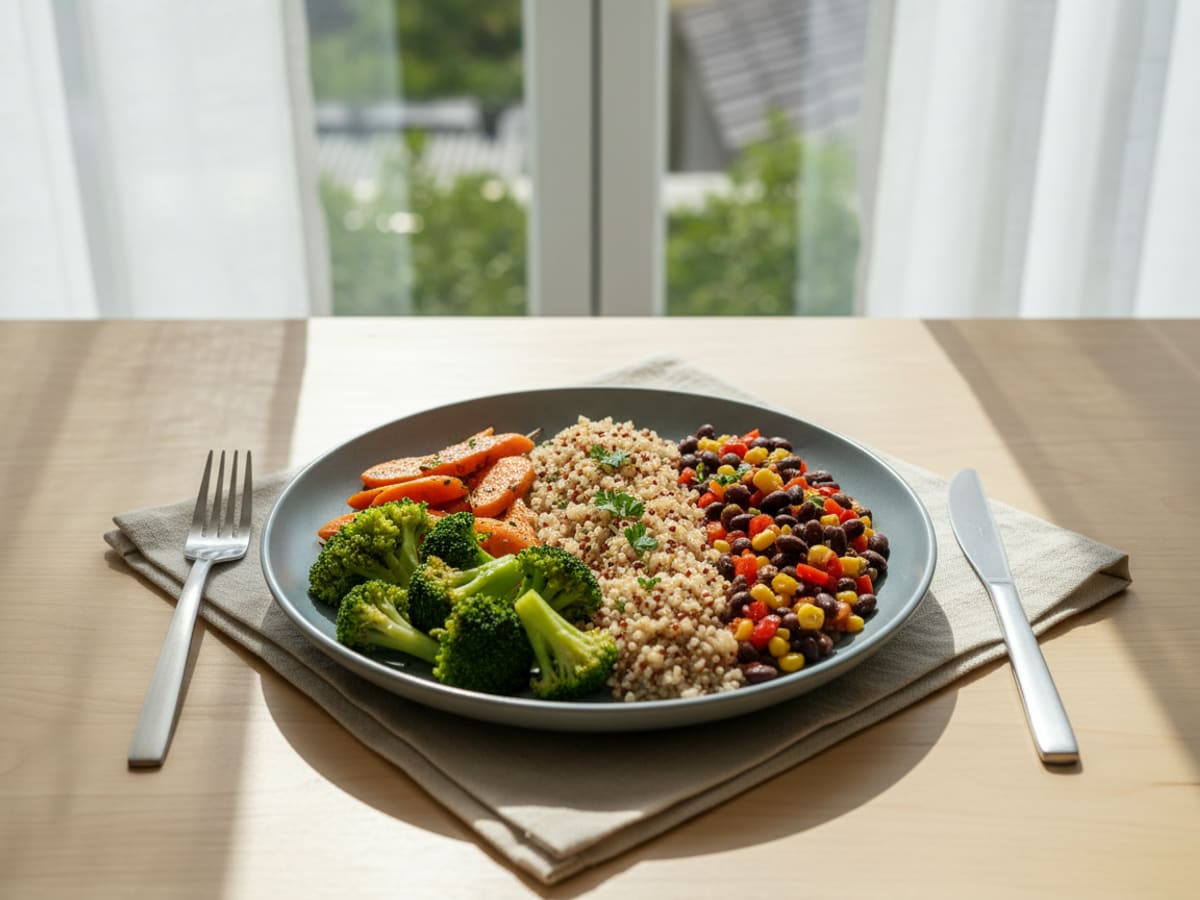
Not all food keeps you satisfied for the same length of time. A few ingredients tend to help a meal feel more lasting:
- Protein, such as eggs, beans, fish, poultry, tofu, or yogurt
- Fiber, found in vegetables, fruit, whole grains, nuts, seeds, and legumes
- Some fat, such as olive oil, avocado, or nuts, which slows digestion
- Volume and water content, like soups, salads, and fruit
A meal made mostly of refined carbohydrates, like a pastry, white toast, or a bowl of sugary cereal, is digested quickly. That can leave you looking for more food sooner than you'd expect. It doesn't mean those foods are "bad." It just means they may not carry you as far on their own.
Meal size matters too. If you've been under-eating during the day, a small meal may simply not be enough fuel. Your body may be asking for what it actually needs, and that's not a flaw.
Eating speed, distraction and habit
Your brain and gut send each other signals about fullness, and those signals take a little time. If you finish a meal in five minutes, you may be done eating before your body has had a chance to say "that's enough."
Distraction plays a role as well. When you eat while scrolling, working, or watching a show, it's easy to miss the experience of the meal. Some people feel less satisfied afterward, even if they ate plenty, simply because they didn't notice it.
Habit is another quiet factor. You may feel hungry because:
- It's the time you usually eat something
- You walk past the kitchen or see food
- A certain activity, like watching TV at night, is linked to snacking
- Someone nearby is eating
None of this is a character issue. It's your brain doing what brains do, which is learning patterns.
If you'd like to experiment, here's a gentle approach:
- Put your fork down for a moment between bites a few times during the meal.
- Sit at a table, even for a quick lunch, and set your phone aside if you can.
- Check in about halfway through and notice how full you feel.
- After you finish, wait ten or fifteen minutes before deciding whether you want more.
Hunger versus thirst versus boredom
Sometimes what feels like hunger is something else. Mild thirst can feel a lot like a vague urge to eat. Tiredness, stress, and boredom can do the same thing. Many of us reach for food when we're restless, anxious, or putting off a task.
A few questions can help you sort it out:
- Would a plain, filling food, like an apple or a bowl of soup, sound good right now? If so, it's likely physical hunger.
- Did the feeling come on suddenly and focus on one specific craving? That can point toward an emotional or habit-driven urge.
- Have you had anything to drink in the last few hours?
- Did you sleep poorly last night? Short sleep can make appetite feel louder the next day.
You don't have to talk yourself out of eating. If you're hungry, eating is the right response. The point is simply to get curious about what your body is asking for. Sometimes a glass of water, a short walk, or a break is what fits. Sometimes it's a snack, and that's fine too.
When ongoing hunger is worth mentioning to a doctor
Occasional hunger after meals is normal. But it's worth paying attention if the hunger is persistent, feels out of proportion, or has changed noticeably for you. Consider bringing it up with a doctor if you notice:
- Hunger that stays strong even after regular, balanced meals
- Increased thirst or more frequent urination along with the hunger
- Unexplained changes in weight, up or down
- Shakiness, sweating, dizziness, or fatigue that comes with the hunger
- Hunger that began suddenly or alongside a new medication
- Eating that feels out of control, or feelings of guilt or distress around food
Many different things can affect appetite, including sleep, stress, hormones, and medications. A doctor can help sort out what's going on and what makes sense for you. A registered dietitian can also help you shape meals that fit your needs and preferences.
In most cases, feeling hungry again is your body doing its job. A little attention to what's on your plate, how you eat it, and what else is going on in your day can help you understand what it's trying to tell you.